How to Make Money with Crypto Airdrops: A Complete Guide for Beginners
Making money in cryptocurrency is not limited to buying Bitcoin, trading altcoins, or investing in new tokens. Another method that has attracted attention in the crypto community is airdrop farming. It allows users to explore blockchain projects and potentially receive tokens as rewards for participating in their ecosystems.
For some people, airdrops have become a way to discover new projects and earn digital assets without making a direct token purchase. But there is a side of airdrop farming that beginners often ignore. Not every airdrop is genuine, not every reward is valuable, and not every activity is worth the money you spend on it.
If you want to make money with airdrops, you need to approach the process with patience and a proper strategy. Simply joining random Telegram groups, connecting your wallet to unknown websites, or completing hundreds of tasks will not guarantee profit.
In this article, we will discuss how crypto airdrops work, how to find potential opportunities, how to manage expenses, and how to protect yourself from scams. The goal is to help you understand the process before putting your time or money into it.
What Is a Crypto Airdrop?
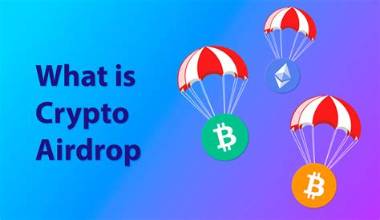
A crypto airdrop is a method through which a blockchain project distributes tokens to selected users or wallet addresses. Projects may use airdrops to attract new users, reward early supporters, increase platform activity, or introduce a new cryptocurrency to the market.
For example, a decentralized exchange may reward users who trade on its platform. A blockchain network may distribute tokens to people who interacted with its testnet. Similarly, a DeFi project may reward users who used its lending, staking, or liquidity features.
Airdrops can be divided into different categories:
- Retroactive airdrops: Rewards based on activities users completed before the token launch.
- Task-based airdrops: Rewards for completing specific tasks.
- Community airdrops: Tokens distributed to active community members.
- Testnet rewards: Potential rewards for testing an early blockchain or application.
- Points-based campaigns: Projects track user activity through points before announcing possible rewards.
The important point is that participation does not guarantee an airdrop. A project may change its eligibility rules, delay its launch, or decide not to distribute tokens at all. Therefore, airdrop farming should be treated as a speculative opportunity rather than a fixed source of income.
How Do People Make Money Through Airdrops?
There are several ways users can potentially benefit from airdrops. The most common method is participating in a project before its token becomes available and receiving an allocation later.
Imagine that a new blockchain application wants to build a community. It allows early users to interact with its platform and records their activity. After launching its token, the project may distribute rewards to eligible wallets.
If you receive tokens, you might sell them after listing, hold them for a longer period, or sell part of the allocation to recover your participation costs.
However, the final result depends on multiple factors:
- Whether you qualify for the reward.
- The number of tokens you receive.
- The token’s market price.
- Whether the token has enough liquidity.
- Your transaction and network fees.
- The amount of time you spent participating.
A token allocation may look valuable on paper, but that does not mean you can sell it at the displayed price. Low liquidity, market volatility, and heavy selling pressure can reduce its actual value.
1. Research Projects Before You Join
The first step toward successful airdrop farming is learning how to identify projects worth researching.
Many beginners join campaigns because an influencer claims that a project will distribute thousands of dollars. This is a risky approach. A project’s potential reward should never be the only reason you interact with it.
Start by visiting the project’s official website and reading its documentation. Try to understand what problem the project is solving, whether its product is working, and how the platform is being developed.
You should also check:
- Official announcements and documentation.
- Verified social media accounts.
- Community discussions.
- The project’s development activity.
- Whether the platform has a real use case.
- Whether an airdrop has actually been confirmed.
A points campaign does not automatically mean that users will receive tokens. Some projects use points for engagement or future incentives without making a specific distribution promise.
The best habit is to separate confirmed information from community speculation. If a project has not announced an airdrop, treat it as a possibility, not an expected payment.
2. Create a Separate Wallet
One of the most important rules of airdrop farming is to protect your main crypto holdings.
You should avoid connecting a wallet containing your savings to every new application you discover. Some decentralized applications may request permissions that allow them to interact with your assets. A malicious website can use these permissions to put your funds at risk.
Create a separate wallet for exploring new projects. Keep only a limited amount of cryptocurrency in it and avoid storing valuable assets there.
A separate wallet cannot protect you from every mistake, but it can reduce the potential damage if you interact with a harmful application.
Follow these security practices:
- Never share your seed phrase or private key.
- Do not enter your recovery phrase on a website.
- Verify the website URL before connecting.
- Read transaction and signature requests carefully.
- Keep your main wallet separate from experimental activities.
- Review and remove unnecessary token approvals when appropriate.
A legitimate airdrop will not require your seed phrase. Coinbase also warns users to protect their recovery phrase and carefully research decentralized application websites before connecting a wallet.
Coinbase Help
3. Focus on Genuine Platform Activity
Some projects evaluate how users interact with their platforms. This means that simply completing random tasks may not be enough to qualify for a potential reward.
Depending on the project, relevant activities could include swapping tokens, using a bridge, interacting with a lending protocol, testing a blockchain, or participating in governance.
However, you should not perform transactions without understanding their risks. Every transaction may involve network fees, and certain DeFi activities can expose you to losses.
For example, providing liquidity can involve impermanent loss, while lending platforms may carry smart contract and liquidation risks. If you are unfamiliar with these concepts, learn about them before depositing funds.
Your objective should be to use a platform naturally and understand its features. Do not borrow money, use high leverage, or make expensive transactions simply because you believe an airdrop might happen.
A smaller amount of genuine activity is more sensible than spending large sums on unconfirmed rewards.
4. Find Potential Airdrops Through Official Sources
Finding airdrops early requires regular research, but you should be careful about where your information comes from.
Start with official project websites, documentation, verified social media accounts, and community announcements. You can also follow blockchain ecosystems and research platforms to discover new protocols.
Some projects that attract airdrop interest may have:
- A functioning product without a token.
- A new blockchain or ecosystem.
- A points or rewards program.
- A public testnet.
- Active development and community participation.
These factors do not prove that a project will launch an airdrop. They only provide a starting point for research.
Avoid relying entirely on posts that promise a fixed reward. Airdrop allocations can depend on eligibility rules, activity quality, geographical restrictions, or anti-Sybil systems. Some projects may also exclude wallets that appear to be controlled by the same person.
Do not create multiple wallets only to multiply your potential allocation unless the project’s rules clearly allow it. Artificial activity can result in disqualification.
5. Calculate Your Expenses
Airdrops are often marketed as free crypto, but participation may involve real expenses.
Depending on the network, you may pay gas fees, bridge charges, swap fees, or other transaction costs. You could also lose money if the assets you use decline in value.
Consider this example:
You spend ₹2,500 on transaction fees while interacting with a project. Later, you receive tokens worth ₹4,000. Your estimated gain before other costs is ₹1,500. But if the token’s price drops and its value falls to ₹1,000, you have not recovered your expenses.
This is why tracking your costs is important.
Create a simple spreadsheet with the following information:
| Information | What to Record |
|---|---|
| Project | Name of the platform |
| Date | When you performed the activity |
| Transaction | Type of interaction |
| Fees | Network and platform charges |
| Reward | Tokens received |
| Value | Estimated market value |
This record will help you understand whether your activities are worth continuing. It also prevents you from assuming that every token received represents pure profit.
6. Learn to Identify Airdrop Scams
Airdrop scams are a serious problem because they use the attraction of free tokens to trick users into connecting their wallets or sending money.
Scammers may create websites that look similar to legitimate projects. They may also use fake social media profiles, misleading advertisements, and urgent messages to pressure users into acting quickly.
Watch for the following warning signs:
Seed phrase requests: Never share your recovery phrase or private key.
Upfront payment demands: Be cautious if someone asks you to send crypto to unlock or verify an airdrop.
Unverified claim websites: Always confirm the URL through the project’s official channels.
Unrealistic rewards: Promises of guaranteed high-value rewards should be treated with suspicion.
Unknown token links: Do not interact with unexpected tokens simply because they appear in your wallet.
World’s security guidance recommends using verified project sources, checking URLs carefully, and avoiding unfamiliar smart contracts.
World Help Center Coinbase also warns users about fake giveaways, phishing websites, and unsolicited tokens.
Coinbase Help
If a website asks you to send cryptocurrency first so that you can receive more cryptocurrency, stop and investigate. Genuine giveaways do not need you to send funds to a random wallet for verification.
MoonPay Help Center
7. What Should You Do After Receiving Tokens?
Receiving an airdrop is only one part of the process. Before selling or transferring the tokens, verify that they are genuine.
Check the token contract address through the project’s official announcement. Scammers can create fake tokens using the same name and logo as a legitimate asset.
You should also check whether the token is tradable and whether it has sufficient liquidity. A token may display a market price but still be difficult to sell without significant price impact.
After receiving rewards, you may consider:
- Selling a portion to recover your expenses.
- Holding the tokens if you understand the project’s risks.
- Selling gradually instead of making an emotional decision.
- Keeping a record of the transaction for accounting purposes.
There is no guaranteed strategy. Some tokens lose value after the initial distribution because many recipients sell at the same time. Others may become more valuable if the project develops successfully.
Avoid buying more tokens simply because you received an airdrop. Receiving free tokens does not automatically prove that the project is a good investment.
8. Build a Consistent and Realistic Routine
Airdrop farming can consume a lot of time if you try to join every campaign. Many users spend hours completing tasks without understanding whether the project has a realistic reward system.
Create a simple weekly routine. Spend time researching a few projects, checking official updates, reviewing your wallet activity, and learning about the technology behind each platform.
It is better to understand three or four projects properly than to connect your wallet to dozens of unknown websites.
Also, set a personal limit for your expenses. Decide how much you are comfortable spending on network fees and never exceed that amount just because you have already invested time in a campaign.
Remember that some activities may produce no reward. This is part of the risk, and you should be prepared for that possibility.
Final Thoughts
Making money with crypto airdrops is possible, but it is not guaranteed and should not be treated as an easy way to earn free income. The process requires research, security awareness, expense tracking, and patience.
Start by studying genuine projects, using a separate wallet, and participating only in activities you understand. Never share your seed phrase, never trust guaranteed-profit promises, and avoid spending large amounts on unconfirmed opportunities.
The most important part of airdrop farming is not how many campaigns you join. It is how carefully you manage your risk and how well you understand the projects you interact with.
Crypto markets can change quickly, and a token that appears valuable today may lose its value tomorrow. Always verify information through official sources, calculate your costs, and remember that your wallet security should come before any potential reward.