3 of the Biggest Crypto Scams in History
Crypto was supposed to change the way people think about money.
Bitcoin came along with the idea that people could move money without banks sitting in the middle. Then came thousands of other coins, exchanges, and crypto companies, all promising to be part of the next big financial revolution.
And for a while, it felt like anything was possible.
People were making fortunes almost overnight. Crypto prices were going up, new projects were appearing every day, and social media was full of people showing off their profits.
But there was another side to that boom.
Some people used the excitement around crypto to build businesses that looked far more successful and trustworthy than they really were.
Three names stand out: FTX, OneCoin, and BitConnect.
Their stories are different, but all three show how easily trust can turn into a financial disaster.
1. FTX — From Crypto Superstar to Bankruptcy
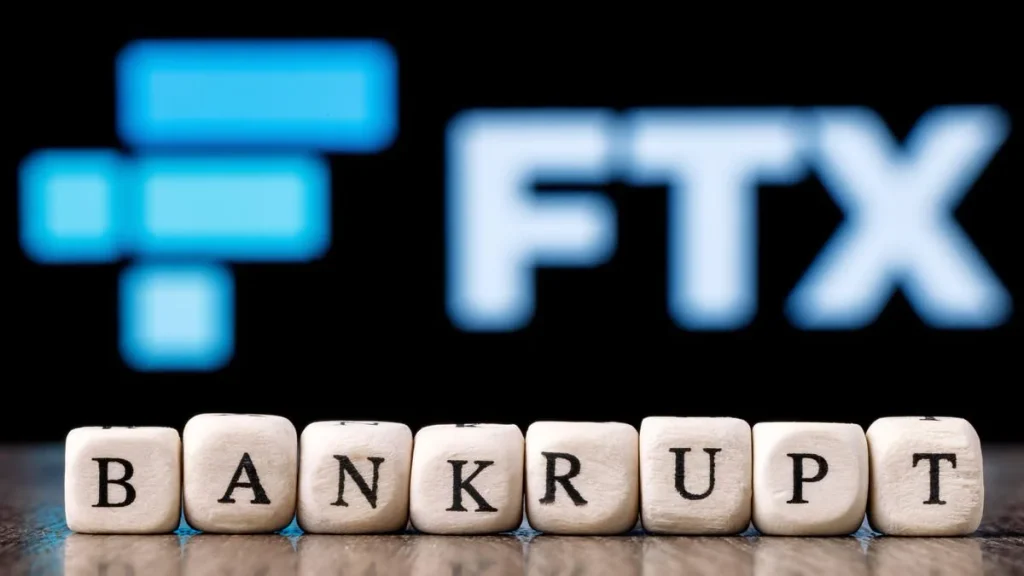
FTX wasn’t some unknown website that suddenly appeared on the internet.
It was one of the biggest crypto exchanges in the world.
The company was founded in 2019 by Sam Bankman-Fried, who quickly became one of the most recognizable people in the crypto industry.
He was young, wealthy, appeared on magazine covers, spoke at major events, and was often presented as one of the smartest people in crypto.
FTX grew at an incredible speed.
At its peak, the company was valued at around $32 billion.
It had millions of customers and attracted investments from major firms. FTX also spent huge amounts of money on advertising and sponsorships, including sports deals.
So to an ordinary customer, FTX looked like a company that was going nowhere but up.
Then everything changed.
What went wrong?
A big part of the story involved another company called Alameda Research, which was also connected to Bankman-Fried.
Alameda was a crypto trading firm, while FTX was the exchange where customers bought and sold cryptocurrency.
The problem was that customer money from FTX was allegedly being used by Alameda.
That meant money that customers thought was sitting safely on the exchange was being exposed to the activities of another company.
The situation became public in November 2022.
Once people started questioning FTX’s finances, customers rushed to withdraw their money.
And that’s when the real problem became impossible to hide.
FTX didn’t have enough available money to handle all those withdrawals.
The company collapsed and filed for bankruptcy.
Billions of dollars belonging to customers were caught up in the disaster.
For people who had trusted FTX with their savings, it wasn’t just a bad investment. Many couldn’t access their money at all.
Bankman-Fried was later convicted of fraud and other crimes and sentenced to 25 years in prison.
The shocking part wasn’t simply that FTX failed.
It was how successful the company had looked right before it happened.
2. OneCoin — The Cryptocurrency That Wasn’t What People Thought
The story of OneCoin is almost unbelievable.
It was promoted as the next Bitcoin.
The person at the center of it was Ruja Ignatova, who became known around the world as the “Cryptoqueen.”
OneCoin was launched in 2014 and quickly attracted investors from different countries.
The pitch was simple.
Buy OneCoin, get in early, and wait for its value to rise.
People were told that they were investing in a cryptocurrency that could eventually become one of the biggest in the world.
But there was a huge problem.
According to U.S. authorities, OneCoin was not a genuine cryptocurrency in the way it was presented to investors.
The company claimed to have a blockchain and a growing cryptocurrency ecosystem, but investigators found that the reality was very different.
People weren’t simply buying a digital currency.
They were also encouraged to buy educational packages that came with OneCoin tokens.
And then came the recruiting.
Existing members were encouraged to bring in new investors, creating a huge multi-level marketing network.
The more people who joined, the more money entered the system.
Billions disappeared
The scheme became enormous.
U.S. authorities say people invested more than $4 billion into OneCoin.
Victims came from all over the world.
Some invested small amounts. Others put in their life savings because they genuinely believed they had found the next Bitcoin.
Then, in 2017, everything became even stranger.
Ruja Ignatova disappeared.
She had been one of the most visible faces of OneCoin, but suddenly she was gone.
She has not been publicly found since.
The FBI eventually placed her on its Ten Most Wanted Fugitives list.
That’s one of the reasons the OneCoin story is still talked about today.
It wasn’t just a crypto scam.
It became an international mystery.
3. BitConnect — The Promise of Getting Rich Quickly
BitConnect became famous during the massive crypto boom of 2016 and 2017.
And the reason was pretty simple:
It promised people a lot of money.
The company claimed that its technology could generate profits through cryptocurrency trading.
Investors could put their money into BitConnect’s lending program and supposedly earn huge returns.
To someone looking at the numbers, it looked incredible.
And that’s exactly what attracted so many people.
The hype machine
BitConnect had a huge community online.
Promoters made videos, gave presentations, and showed off the money they were supposedly making.
One of the most famous moments came from a BitConnect promoter named Carlos Matos, whose extremely enthusiastic speech later became an internet meme.
The excitement around BitConnect was real.
People saw others claiming to make money, so they wanted in too.
The price of BitConnect’s own token also climbed dramatically.
That made the whole thing look even more convincing.
But eventually, the system couldn’t keep going.
In January 2018, BitConnect shut down its lending and exchange platform.
The token’s price crashed.
People who had put their money into the project watched their investments lose most of their value.
U.S. prosecutors later described BitConnect as a $2.4 billion global cryptocurrency scheme.
The case became one of the clearest examples of how quickly crypto hype could turn into panic.
What Made These Scams So Successful?
FTX, OneCoin, and BitConnect didn’t all operate in exactly the same way.
But they had something important in common.
They gave people a reason to believe.
FTX looked legitimate because it had a huge valuation, major investors, celebrities, sponsorships, and a famous founder.
OneCoin built an enormous international community around the promise of owning the next big cryptocurrency.
BitConnect attracted people with the dream of making extraordinary returns.
And once people started making money—or at least believed that other people were making money—the hype became self-sustaining.
That’s where things get dangerous.
People stop asking, “Is this actually legitimate?”
Instead, they start thinking, “What if I miss out?”
That fear of missing out can be incredibly powerful.
The Warning Signs
Looking back, there were warning signs in each case.
Promises of extremely high returns should always make investors suspicious.
So should companies that aren’t transparent about where customer money is held.
And if a project depends heavily on recruiting new people instead of creating real value, that’s another major warning sign.
But the hardest part is spotting these things when everyone around you is excited.
When prices are rising, people are making money, and social media is full of success stories, warning signs are easy to ignore.
That’s exactly what happened to thousands of people in these three cases.
Final Thoughts
The stories of FTX, OneCoin, and BitConnect are very different.
One was a massive crypto exchange.
One was presented as a revolutionary cryptocurrency.
And one promised investors extraordinary returns from crypto trading.
But they all ended with people losing enormous amounts of money.
The biggest takeaway isn’t that every cryptocurrency is a scam.
It’s that hype isn’t proof.
A famous founder doesn’t guarantee safety.
A huge valuation doesn’t guarantee safety.
Celebrity endorsements don’t guarantee safety.
And a website full of complicated technology words certainly doesn’t guarantee safety.
Before putting money into any crypto project, the basic questions still matter:
Where is the money going? Who controls it? How does the company actually make money? Can its claims be verified? And what happens if everyone wants their money back at the same time?
Those questions may not sound exciting.
But in the crypto world, they can save you a fortune.