How Do Meme Coins Make Money? The Truth Behind the Hype
What if a joke could become a cryptocurrency?
Sounds strange, right?
Yet that is basically how the meme coin phenomenon began. From internet jokes and funny characters to viral communities, meme coins have turned online culture into something that can have real market value.
But there is one question that almost everyone eventually asks:
How do meme coins actually make money?
Is it because they have some revolutionary technology hiding behind the scenes? Is it because the people who create them automatically make huge profits? Or is there something else driving all that hype?
The answer is much more interesting than it first appears.
1. So, What Exactly Is a Meme Coin?
Before understanding how meme coins make money, it helps to understand what they actually are.
A meme coin is a type of crypto asset inspired by internet memes, characters, trends, jokes, or popular culture. Unlike cryptocurrencies that are mainly promoted around a specific technological use case, meme coins often focus heavily on entertainment, online culture and community.
The SEC has described meme coins as crypto assets inspired by memes, characters, current events or trends, where promoters try to attract an enthusiastic online community. It also notes that their value is generally driven by market demand and speculation, and that many have limited or no functionality.
And that leads to the first big clue:
For a meme coin, attention can be incredibly valuable.
2. The Real Fuel Behind Meme Coins? Attention
Think about the last time something went viral on the internet.
One person posts it.
Another person shares it.
Someone makes a joke about it.
Then suddenly thousands or millions of people are talking about the same thing.
Meme coins can follow a surprisingly similar pattern.
A funny concept attracts attention. Attention creates conversations. Conversations can create a community. And a large, active community can potentially create demand for the token.
This is why social media plays such a major role in the meme coin world.
The coin itself may not have complicated technology behind it. Its biggest strength may simply be that people know it, talk about it and want to be part of the community around it.
Of course, attention does not automatically mean a token will increase in value. Crypto markets are highly speculative, and demand can disappear just as quickly as it appears.
3. But Where Does the Price Actually Come From?
Now we reach the economic side of the story.
At its simplest, price is influenced by supply and demand.
If more people want to buy a token while available supply and market liquidity remain limited, its market price can rise.
And this is where things can become fascinating.
Imagine a meme coin suddenly starts trending online.
More people discover it.
Some start buying.
The price moves upward.
Then other people notice the rising price and become curious.
“Wait… why is everyone talking about this coin?”
That curiosity can bring even more attention.
And suddenly you have a cycle:
Attention → Interest → Demand → Price movement → More attention
This does not mean the cycle will continue forever. In fact, meme coins can be extremely volatile. The CFTC warns that digital asset values can be heavily influenced by market forces and that speculation carries substantial risk.
4. So, Do Meme Coin Creators Automatically Make Money?
Not necessarily.
This is one of the biggest misconceptions surrounding meme coins.
A creator may hold some of the token supply, depending on how a particular project is structured. If the market value of those tokens increases, the creator’s holdings could become more valuable on paper.
But paper value is not the same thing as guaranteed profit.
Actual financial outcomes depend on factors such as market demand, liquidity, token distribution, selling activity and the legal structure of the project.
There can also be legitimate businesses or products built around a crypto project, but that is completely different from simply assuming that creating a token equals instant income.
So the idea that someone can simply create a meme coin and automatically become rich is more internet fantasy than financial reality.
5. The Secret Ingredient: Community
If attention is the fuel, community is often the engine.
A strong meme coin community can keep a project visible long after the initial launch.
People create memes.
They discuss the project.
They share jokes.
They post updates.
They create their own culture around the coin.
And suddenly the token becomes more than just a line of code on a blockchain. It becomes an online identity that people feel connected to.
That social element is one reason meme coins can behave differently from traditional investments.
But there is an important catch:
A large community does not automatically mean a valuable or trustworthy project.
Follower counts can be misleading. Engagement can be artificial. And online excitement can disappear extremely quickly.
6. When Hype Turns Into FOMO
Here is where things can get dangerous.
Suppose a token suddenly jumps in price.
People start posting screenshots.
Someone says they made money.
Another person claims the coin is “going to the moon.”
Then someone who was watching from the sidelines starts thinking:
“What if I am missing the next big opportunity?”
That feeling is known as FOMO — the fear of missing out.
FOMO can cause people to make decisions based on excitement rather than research.
Regulators have repeatedly warned about relying on social-media hype, sudden price increases and promises of quick wealth.
And that is an important lesson for anyone writing or reading about crypto:
A viral coin is not automatically a good coin.
7. The Dark Side: Pump-and-Dump Schemes
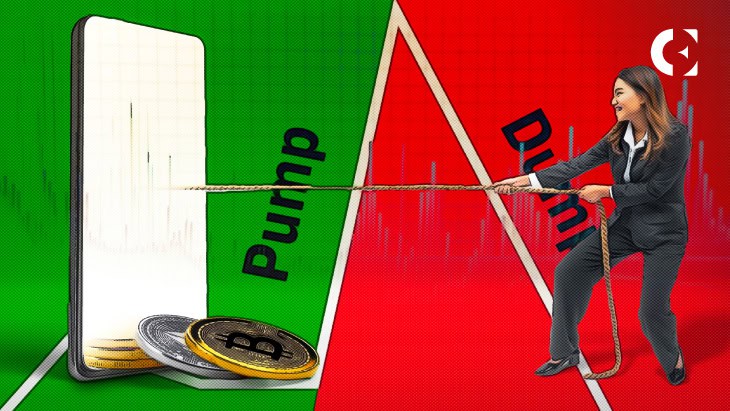
This is probably the part that every meme coin reader should understand.
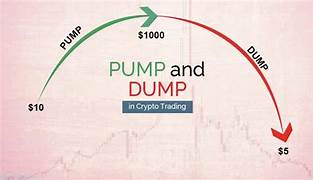
A pump-and-dump scheme is a form of market manipulation where people hype an asset, try to push its price upward, and then sell while others are still buying into the excitement.
The CFTC specifically warns that these schemes can occur with new or thinly traded digital assets. The SEC has also warned that fraudsters may promote memecoins on social media, create artificial excitement, and then sell their holdings after the price has been pushed higher.
The result?
The people who sell at the right time may walk away with gains, while people who bought during the hype can be left facing major losses.
That is why phrases such as “guaranteed profit,” “risk-free,” or “buy now before it’s too late” should immediately raise questions.
8. Is Every Meme Coin a Scam?
No.
This distinction matters.
A meme coin is a category of crypto asset. A scam is fraudulent behaviour.
They are not the same thing.
Some meme coins are created mainly as entertainment or community-driven projects. Others may develop additional uses or ecosystems over time.
The problem is that the meme coin space can also attract people who want to exploit hype.
So instead of asking:
“Is this a meme coin?”
A better question is:
“What exactly is behind this particular project?”
Who created it?
What claims are being made?
How transparent is the project?
How is the token distributed?
What is creating the demand?
And most importantly, are people being promised something that sounds too good to be true?
9. Why Do Some Meme Coins Stay Popular?
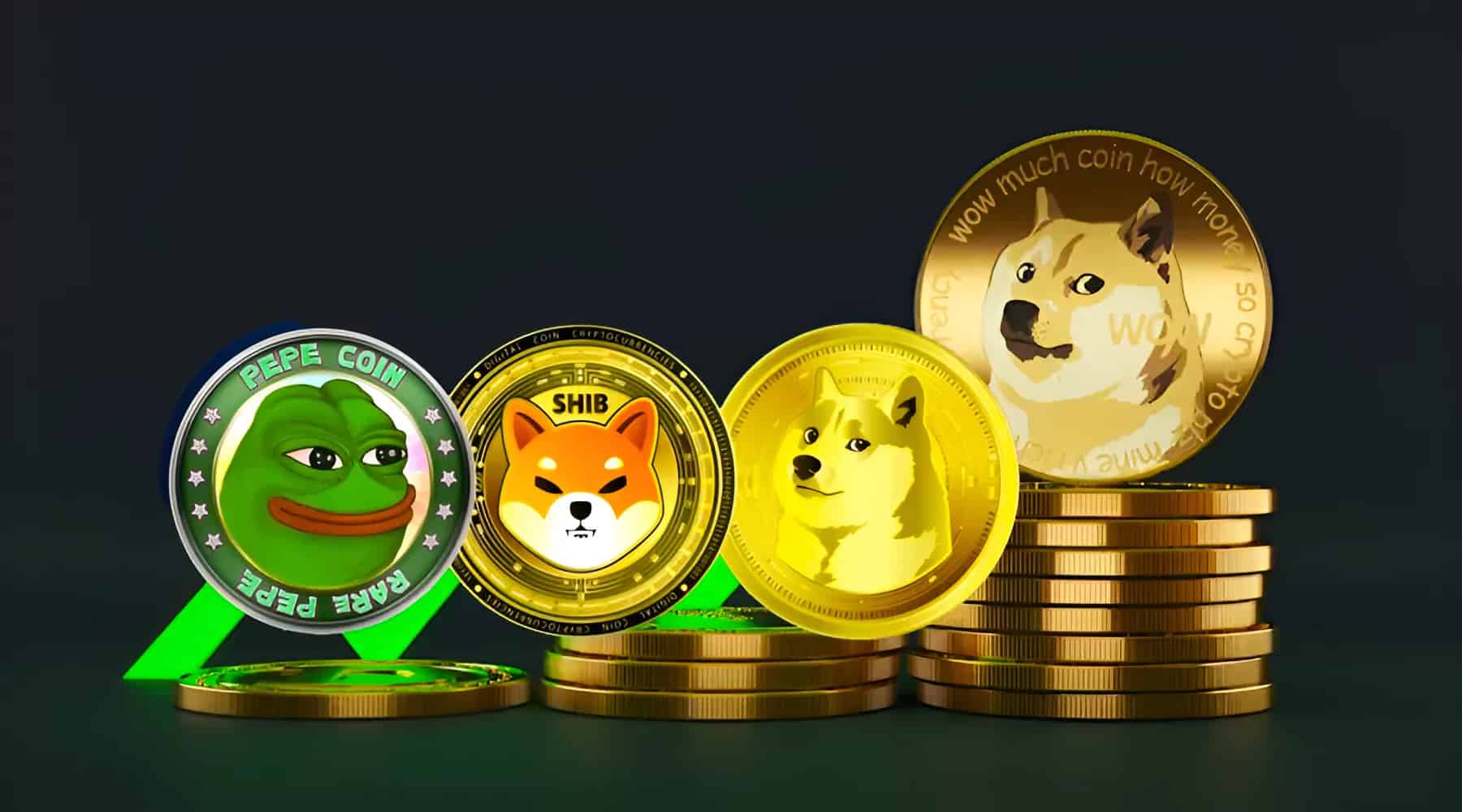
This is perhaps the most interesting question of all.
Technology can matter, but culture can matter too.
A meme coin can become part of an online community’s identity. If people continue talking about it, creating content around it and sharing it with others, the project can remain relevant.
That is why meme coins are often less about complicated technology and more about community psychology, internet culture and attention.
But culture changes fast.
The meme that is everywhere today may be forgotten next month.
And when attention disappears, demand can disappear with it.
10. The Final Answer: Are Meme Coins Really Money-Making Machines?
Not exactly.
Meme coins can attract enormous attention, and their prices can move dramatically when demand and speculation increase.
But that does not make them guaranteed money-making machines.
The real story is much more complicated.
A meme coin’s market behaviour can be influenced by:
Community + Attention + Supply + Demand + Liquidity + Social Media + Speculation
Sometimes those forces come together and create something huge.
Sometimes the hype disappears almost overnight.
And sometimes what looks like a massive opportunity is simply a carefully created illusion designed to make people rush into a trade.
The CFTC advises people to conduct extensive research and warns against promises of guaranteed returns or quick wealth.
So the next time you see a meme coin suddenly exploding across social media, don’t just ask:
“How high can this coin go?”
Ask the more important question:
“Why is everyone suddenly interested in it?”
Because in the meme coin world, understanding the hype can sometimes be more important than watching the price.